
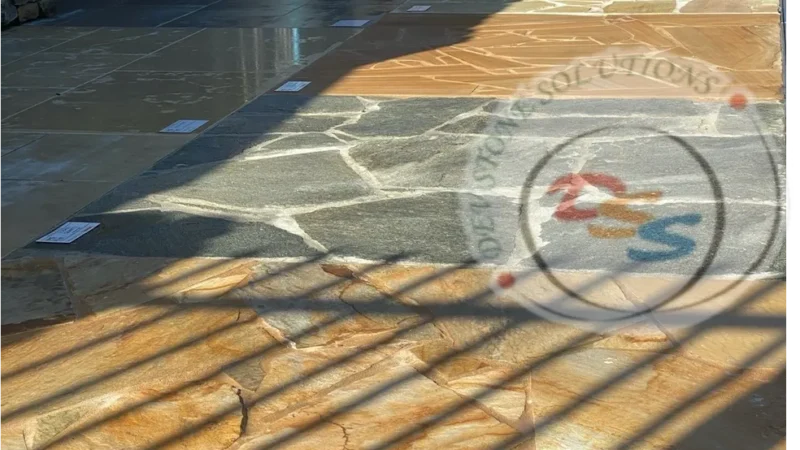
Protect Your Investment: The Ultimate Guide to Sealing Tiles and Stone
Installing new tiles or natural stone is a significant upgrade for any home or commercial space. However, the job isn’t truly complete until those surfaces are properly protected. Sealing acts as an invisible shield — it’s the difference between flooring that ages gracefully and surfaces that show stains, wear, and discolouration after just a few everyday spills.
Whether you’re working with porcelain tiles, marble, travertine, or natural stone, sealing is a crucial step in preserving both appearance and longevity. Below is everything you need to know about why sealing matters and how to do it properly.
Why Sealing Is Non-Negotiable
If you’re wondering whether sealing is really necessary, consider these four key benefits.
- Permanent Stain Prevention
Unsealed stone and grout are highly porous, meaning they behave like a sponge. Without a protective sealer, liquids such as oil, coffee, red wine, and moisture can penetrate deep into the surface, leading to permanent staining that is difficult or impossible to remove.
A high-quality sealer creates a protective barrier that allows spills to sit on the surface, giving you time to wipe them away before damage occurs.
- Grout Protection
Grout is often the first part of a tiled surface to show signs of wear. When left unsealed, it can darken unevenly, become patchy, and trap grime over time.
Sealing grout:
- Prevents darkening and discolouration
- Reduces dirt and grime buildup
- Keeps grout lines looking lighter and cleaner for longer
This is especially important in kitchens, bathrooms, entryways, and high-traffic areas.
- Preserved Appearance
Sealing helps maintain the original aesthetic of tiles and stone by:
- Keeping colours consistent across the surface
- Preventing the dull, chalky appearance common in untreated stone
- Ensuring floors age evenly over time
Bonus: Some sealers are designed to enhance the natural colour of stone or provide a subtle “wet look” finish for those who prefer a richer, deeper appearance.
- Extended Floor Life
By reducing moisture penetration, surface wear, and staining, sealing significantly extends the lifespan of your flooring. Properly sealed tiles and stone last many years longer before requiring repairs, restoration, or replacement — protecting your investment long term.
How to Seal Your Flooring: A Step-by-Step Guide
Sealing tiles and stone isn’t difficult, but it does require care and patience. Following the correct process ensures a flawless, long-lasting result.
Step 1: Deep Cleaning
This step is critical and should never be skipped. Sealer locks in whatever is on the surface — including dirt, dust, and residue.
Preparation process:
- Sweep and vacuum to remove loose debris
- Mop using a dedicated tile or stone cleaner
- If tiles are newly installed, remove all grout haze (the white, powdery residue left after installation)
- Rinse thoroughly with clean water to remove any cleaner residue
- Allow the surface to dry completely for 12–24 hours
Step 2: Apply the Sealer
Tools you’ll need:
- Microfibre mop
- Sponge mop
- Paint pad or soft, clean cloth
Application method:
- Work in small, manageable sections
- Apply the sealer evenly from left to right, then up and down
- The surface should appear damp, not flooded — avoid puddles
- Pay close attention to grout lines; if they absorb sealer quickly, apply more while the surface is still wet
- Allow the sealer to dry for 2–3 hours, or until completely dry to the touch
Step 3: Apply a Second Coat (If Required)
After 30–60 minutes, inspect the surface.
If tiles or grout appear patchy or continue to absorb sealer, apply a second coat using the same technique. This ensures full saturation and maximum protection, particularly for more porous natural stone.
Final Thoughts
Sealing tiles and natural stone is one of the most effective ways to protect your flooring, preserve its appearance, and extend its lifespan. Whether sealing newly installed surfaces or refreshing existing floors, the right sealer and correct application make all the difference.
If you’re unsure which type of sealer is best for your specific surface — such as marble, porcelain, or travertine — professional guidance can help ensure the best long-term results.
Frequently Asked Questions
How often should tiles and stone be sealed?
Depending on usage and surface type, sealing is typically recommended every 1–3 years.
Can existing surfaces be sealed?
Yes. Existing tiles and stone can be sealed once professionally cleaned and fully dried.
Will sealing alter the appearance?
Most sealers are invisible. Optional enhancing sealers are available to enrich natural stone tones where desired.
Is professional sealing necessary?
Professional sealing ensures the correct products, preparation, and application techniques are used — delivering superior durability and finish compared to DIY solutions.
Professional Tile & Stone Sealing in Melbourne
Dev Stone Solutions provides premium tile and stone sealing services in Melbourne, tailored to residential and commercial spaces where quality, longevity, and presentation matter. Our approach combines technical expertise with meticulous attention to detail, ensuring surfaces are protected without compromising design intent.
Book a Professional Sealing Service
Protect your tiles, stone, and grout with expert sealing designed to preserve elegance and extend surface life.
👉 Book your professional tile and stone sealing service:
🔗 https://devstonesolutions.com.au/
Our team will assess your surfaces and recommend the most suitable sealing solution for your space.
Disclaimer
Note: The information contained in this guide is provided for reference purposes only and is not intended to be legally binding. The information is accurate to the best of our knowledge at the time of publication. All suggestions and instructions should be considered indicative only.
If in doubt, consult Onyx Surface Care and Tools before any works are carried out.